
Equipping children with a solid understanding of personal finance from an early age is more than just a good idea – it’s a vital life skill. Without intentional guidance, kids may absorb financial lessons the hard way, often through costly mistakes later in life. By proactively introducing money management concepts, you can set them on a path toward financial confidence and independence. Here’s a comprehensive approach to fostering smart money habits in your household.
Laying the Foundation for Financial Literacy
Demystifying the Dollar
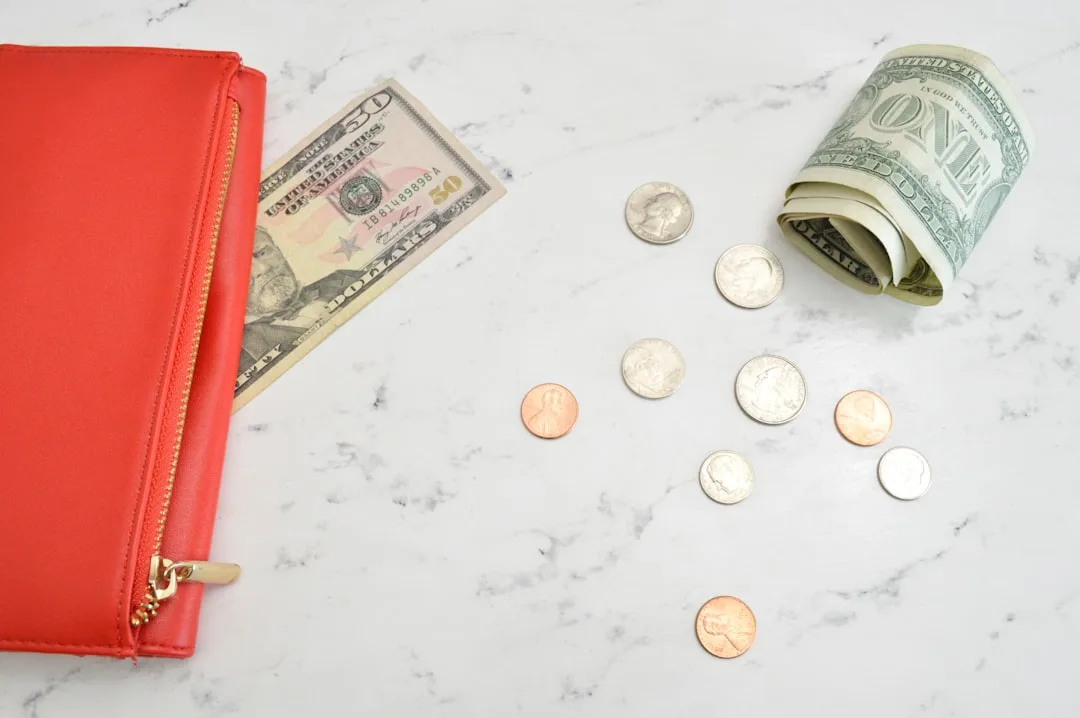
Begin by clarifying what money is and the fundamental role it plays in our lives. Use tangible examples like actual coins and bills to illustrate different denominations. Encourage young children to collect and save their earnings in a visible container, such as a clear jar. Witnessing their savings grow consistently provides a powerful visual lesson in the benefits of regular contributions and patience.
Gaming for Greenbacks
Transform financial education into an enjoyable family activity. Classic board games like “Monopoly” or “The Game of Life” offer engaging, hands-on opportunities to learn about earning, spending, saving, and even debt. These playful simulations can ignite their entrepreneurial spirit and teach valuable strategic thinking about resources.
Becoming a Money Mentor
Children are keen observers, often mirroring the behaviors they witness. Capitalize on everyday financial transactions as teaching moments. Whether you’re processing an online payment, using a debit card at the grocery store, or even explaining a bill, describe your actions. Explain that using a card deducts funds directly from an account, demystifying digital transactions and emphasizing responsible spending.
Advanced Lessons for Growing Savers
The Power of a Piggy Bank (or a Real One!)
For older children, introduce the concept of banking and compound interest. Opening a simple savings account and explaining how their money accrues a small percentage over time can be incredibly impactful. This practical experience illustrates how diligence can lead to significant financial growth.
Allowance: A Tool for Learning
Implementing an allowance system offers a fantastic platform for practical money lessons. Consider a hybrid model where a portion of the allowance is a gift, and another part is earned through household chores or responsibilities. This structure allows them to practice rationing their funds, making basic budgetary decisions, and understanding the connection between effort and reward.
Cultivating Responsible Spending and Giving
Embracing Financial Fumbles
It’s crucial to normalize financial mistakes, even for adults. Reassure your children that making errors with money is part of the learning process. The goal isn’t perfection, but rather to learn from these experiences to avoid similar pitfalls in the future. Frame allowance earned through “commission” for chores as a valuable resource to manage, allowing them a safe space to practice.
Crafting a Mini-Budget
Involve your children in small-scale budgeting exercises. Perhaps let them plan the budget for a family baking session or a movie night. Introduce the concept of opportunity cost by discussing trade-offs: for instance, choosing to buy a new video game might mean there isn’t enough money left for a specific item of clothing. This helps them weigh decisions and understand financial consequences early on.
Conquering Impulse Buys
It’s common for children to request items impulsively while shopping. Resist the urge to always concede. Instead, encourage them to use their own earned money for desired items, especially more expensive ones. Teach them the value of waiting, researching, and thinking through a purchase rather than succumbing to immediate gratification. This cultivates patience and thoughtful spending.
The Joy of Giving Back
Once your children have a grasp of earning and spending, introduce them to the powerful concept of giving. Encourage them to allocate a portion of their earnings to a charitable cause, a community initiative, or to help someone in need. This fosters empathy, generosity, and a broader understanding of money’s potential beyond personal consumption.
Conclusion

Teaching children about money is an ongoing journey that evolves as they grow. By integrating these lessons into daily life, you’re not just imparting financial knowledge; you’re building character, fostering responsibility, and equipping them with the confidence to navigate the complexities of the financial world successfully. Start today, and watch your children develop into financially savvy and well-rounded individuals.