
It is a common human tendency to ignore health concerns, particularly when symptoms are new or infrequent. This delay can lead to regret when a condition worsens, highlighting the importance of early medical intervention. Recognizing this, researchers are exploring how everyday technology can help in the early detection of atrial fibrillation (AFib), a condition that can lead to stroke and other serious health issues.
The Role of Wearable Tech in Health Monitoring
A new research initiative is investigating the potential of common gadgets, like the iPhone and Apple Watch, to identify AFib in its early stages. The study is open to individuals aged 65 and older, who can participate from the comfort of their own homes. To ensure broad participation, the study even offers the option to borrow the necessary devices.
More Than Just Data Collection
Participants in this study receive more than just a device; they are also given access to a comprehensive heart health program. This program is designed to improve sleep quality and enhance cardiovascular fitness through a dedicated app. This allows individuals to proactively manage their heart health and learn to recognize early warning signs that may require medical attention.
Understanding Atrial Fibrillation (AFib)
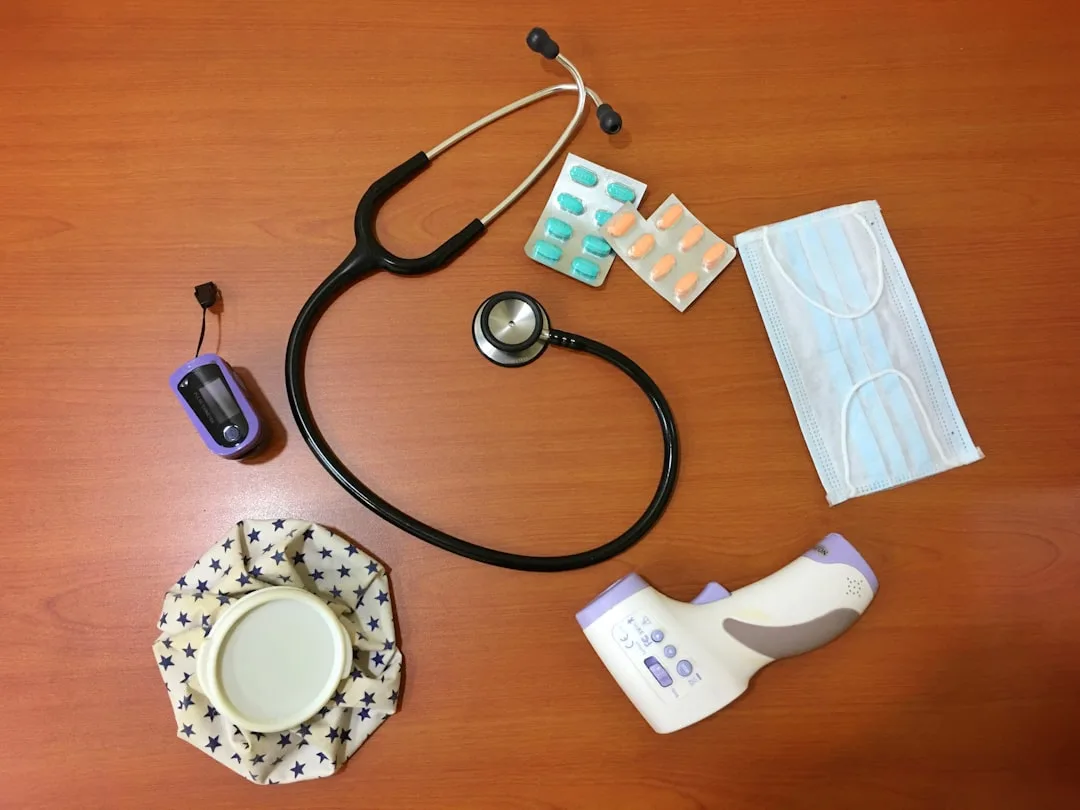
Atrial fibrillation is a widespread condition, affecting millions of people, many of whom are unaware they have it. The risk of developing AFib increases with age, and its symptoms can often be mistaken for stress or other less serious issues. Initial signs may include dizziness or unusual fatigue. However, more severe symptoms, such as difficulty walking or talking, or numbness in parts of the body, indicate a more serious problem.
The Dangers of Misdiagnosis
The ambiguity of AFib symptoms can lead to misinterpretation and delayed treatment. When AFib occurs, the heart beats irregularly, which can impede blood flow. If blood flow is significantly slowed, it can lead to the formation of clots, which may travel to the brain and cause a stroke.
The Promise of Early Detection
The primary goal of this research is to enable the early detection of AFib, allowing for timely medical intervention and potentially preventing strokes. By leveraging the technology that many people already use daily, this study hopes to provide a scalable solution for a significant public health challenge. To contribute to this important research, individuals who meet the age and device requirements are encouraged to participate and provide the necessary data.